English

0 item(s)
View cart
You have no items in your shopping cart.
Back-Bar Fridges: The Ultimate Buying Guide for Foodservice Pros
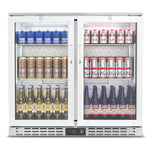
Behind every smooth-running bar, bustling café, and high-volume restaurant lies an unsung hero: the back-bar fridge. More than just a cooling appliance, it’s a space-saving workhorse that keeps beverages chilled, ingredients fresh, and service speeds sharp—all while fitting into tight back-of-house corners. For U.S. foodservice operators navigating busy shifts and tight budgets, choosing the right back-bar fridge isn’t just a purchase—it’s a strategic move to boost efficiency and customer satisfaction. Below, we break down everything you need to know to find your perfect match.
I. Introduction: Why Back-Bar Fridges Are Non-Negotiable
Critical to seamless operations in foodservice is the back-bar fridge—designed specifically for the unique demands of bars and restaurants. Unlike standard under-counter refrigerators, it balances compact dimensions with easy access, ensuring bartenders and staff can grab bottles, mixers, or fresh garnishes in seconds during peak rushes. Equally vital is its role in preserving quality: consistent temperatures (34–40°F) keep craft beers crisp, wines balanced, and dairy-based mixers from spoiling, directly impacting the customer experience. In crowded back-of-houses where every square foot counts, its space-efficient design proves indispensable—turning chaos into order and delays into smooth service.
 II.Core Buying Considerations: What to Prioritize
Not all back-bar fridges are created equal—and the best choice depends on your venue’s unique needs. Below are the non-negotiable factors to guide your decision:
1. Size & Space Compatibility
First and foremost comes size—matching your fridge to your available space and storage demands. Narrow are the back bars of boutique cafes and small bars, making 24–30 inch wide models ideal for tucking under counters or in tight nooks. For larger venues like sports bars or busy restaurants, wider units (36–48 inches) with multiple doors offer ample capacity without hogging floor space. Essential to consider is height: ensure the fridge fits under your existing bar counter or meets local accessibility codes. Depth matters too—slender models (24–30 inches deep) maximize walkway space, while deeper units suit venues needing to stock bulk inventory.
2. Performance & Functionality
At the heart of a reliable back-bar fridge lies its cooling performance. Consistent and precise is the temperature control required to preserve beverages and ingredients, most top-tier models offer a range of 34–40°F, with digital controls for easy adjustments. Fast cooling speed is a game-changer too: after restocking with warm bottles, quick re-cooling ensures drinks stay chilled without compromising quality. Energy efficiency shouldn’t be overlooked—look for ENERGY STAR certified models, which cut electricity costs and align with sustainability goals. For venues focused on presentation, glass doors with LED lighting showcase premium bottles and cocktails, while solid doors offer superior insulation for non-display items.

3. Material & Durability
Built to withstand the rigors of daily foodservice use are high-quality back-bar fridges. Stainless steel is the gold standard for exteriors—resistant to scratches, stains, and corrosion, it’s easy to wipe down during chaotic shifts and maintains a professional look. Equally durable are interior shelves: opt for heavy-duty wire or glass shelves that can hold full bottles without bending. For venues with high foot traffic, self-closing doors add convenience, while rust-resistant interiors stand up to spills and frequent cleaning.
III. Scene-Specific Recommendations & Pro Tips
1. Tailored Picks for Every Venue
- Bars & Nightclubs: Prioritize glass-door models with LED lighting to showcase craft beers, spirits, and specialty cocktails. Multi-zone cooling (to store wines at 45°F and mixers at 38°F) is a must, while narrow 24-inch units work in compact spaces and 48-inch multi-door models handle high volume.
- Cafés & Coffee Shops: Opt for solid-door fridges with precise temperature control (34–38°F) to keep milk, cream, and fresh syrups fresh. Compact under-counter models free up counter space for espresso machines and pastries.
- Restaurants: Choose wide, deep units with adjustable shelves to store bottles, prepped garnishes, and small food items. Stainless steel exteriors resist spills and are easy to clean during busy shifts.
- Craft Beer Gardens: Invest in high-capacity models with glass doors and beer-specific cooling (38–40°F) to highlight local brews. Energy-efficient designs handle constant restocking without hiking utility bills.
2. Maintenance & Care for Longevity
Prolonging your back-bar fridge’s life requires regular maintenance. Weekly should be the frequency for wiping down shelves, door seals, and interiors with mild soap and water—this prevents mold, odors, and cross-contamination. Monthly, clean the condenser coils (located at the back or bottom of the unit) to remove dust and debris—dirty coils force the compressor to work harder, increasing energy use and wear. Every 6–12 months, inspect and replace worn door gaskets to maintain insulation. Avoid overloading the fridge—overcrowding blocks air circulation, leading to uneven cooling and potential spoilage. Finally, defrost manual-defrost models regularly (when ice buildup exceeds 1/4 inch) to keep cooling performance consistent.

VI. Conclusion
Indispensable to the success of any bar, café, or restaurant is the right back-bar fridge—blending space efficiency, cooling performance, and durability to streamline operations and delight customers. By prioritizing size compatibility, performance, material quality, and compliance, Coolake's back bar cooler that aligns with your venue’s needs and stands the test of time. Remember, this isn’t just a purchase—it’s an investment in faster service, less waste, and a more professional workflow.