English

0 item(s)
View cart
You have no items in your shopping cart.
For foodservice businesses, from bustling restaurants and cafes to schools, churches, and prep kitchens—a commercial refrigerator is far more than a piece of equipment; it’s a cornerstone of smooth operations, food safety, and cost efficiency. Choosing the right unit means balancing capacity, durability, functionality, and energy performance—factors that make or break how well your kitchen can meet demand, preserve inventory, and keep overhead in check.
Whether you’re outfitting a new space or upgrading outdated gear, prioritizing these core features ensures you invest in a fridge that works as hard as your team.

The first and most critical consideration for any commercial fridge is capacity that aligns with your needs.
Too small, and you’ll struggle to stock enough ingredients for peak service, leading to rushed restocks and disappointed customers; too large, and you’ll waste energy cooling empty space, driving up utility costs. The sweet spot is a unit that fits your busiest shifts while keeping inventory accessible, and this is where thoughtful design meets practical volume. Equally important is durability, commercial kitchens are harsh environments, with constant use, heavy loads, and frequent door openings, so a fridge must be built with high-grade materials that resist corrosion, dents, and wear.
A rugged build isn’t just about longevity; it’s about avoiding costly downtime from unexpected breakdowns that derail food prep and service.

Functional features that streamline operations are non-negotiable too. Automated defrost systems eliminate the need for manual ice removal, saving staff hours of tedious work and preventing ice buildup that hinders cooling performance and shortens the unit’s lifespan. Adjustable shelving lets you customize storage for everything from small ingredient containers to large bulk packages, ensuring no space goes to waste and all items are easy to reach.
Energy efficiency and insulation also top the list: a well-insulated fridge retains cold air, reducing strain on the compressor, while energy-efficient components keep monthly utility bills low—an essential savings for businesses running equipment 24/7. Rounding out the must-haves are user-centric details like interior lighting, lockable doors, and mobile casters, which boost visibility, security, and ease of cleaning and maintenance.

Every great commercial fridge also prioritizes food safety and compliance, meeting industry standards to ensure perishables are stored at safe temperatures (33°F–41°F for refrigerated foods). And for long-term peace of mind, a solid warranty on parts and critical components like the compressor means you’re covered if issues arise.

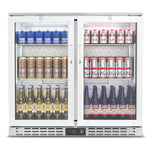
Coolake’s Upright Commercial Refrigerator model checks all the functional boxes. It’s frost-free, with an automatic defrost cycle and fan-forced air circulation that prevents ice buildup and keeps cooling consistent throughout the cabinet. This preserves food quality and helps the compressor last longer.