English

0 item(s)
View cart
You have no items in your shopping cart.
A reliable commercial refrigerator is one of the most essential pieces of equipment in any professional kitchen. From restaurants and bars to cafés, supermarkets, and catering businesses, refrigeration plays a critical role in keeping ingredients fresh, protecting food quality, and maintaining food safety standards.
Unlike residential refrigerators, commercial refrigeration systems are designed to handle demanding environments. They need to maintain consistent temperatures even when doors are opened frequently, large amounts of food are stored inside, and kitchen temperatures rise during busy service hours.
Whether you need a large-capacity refrigerator for back-of-house storage or a display refrigerator to showcase beverages and products, choosing the right unit can improve efficiency, reduce operating costs, and support your daily operations.
This guide will help you understand what commercial refrigerators are, what features to look for, and the different types available for your business.
A commercial refrigerator is a heavy-duty refrigeration unit specifically designed for restaurants, foodservice operations, and other professional environments.
Compared with household refrigerators, commercial models are built with:
* More powerful refrigeration systems to recover temperature quickly
* Durable materials designed for frequent daily use
* Stronger compressors for continuous operation
* Precise temperature control to protect food quality
* Larger storage capacity for high-volume inventory
In a busy kitchen, refrigerator doors may be opened dozens or even hundreds of times per day. Commercial refrigerators are engineered to maintain stable cooling performance despite these challenges.
Before choosing a commercial refrigerator, it is important to evaluate your business needs. The right refrigerator should match your available space, storage requirements, and daily workflow.
Storage capacity is one of the most important factors when selecting a commercial refrigerator.
A refrigerator that is too small may not provide enough room during peak business hours, while an oversized unit may take up unnecessary kitchen space and consume more energy.
Consider:
* Daily food and beverage volume
* Peak service requirements
* Types of products stored
* Future business growth
Choose a capacity that provides enough storage while maintaining efficient operation.
Commercial refrigerators come in many different sizes and configurations.
Before purchasing, measure:
* Available floor space
* Doorways and delivery paths
* Clearance needed for ventilation
* Space required for opening doors fully
Proper installation space helps ensure better airflow and prevents the refrigeration system from working harder than necessary.
Consistent temperature is essential for food safety and product quality.
Look for refrigerators with:
* Digital temperature controls
* Accurate temperature monitoring
* Fast cooling recovery
* Even air circulation
Many commercial refrigerators are designed to maintain temperatures between 33°F and 41°F, making them suitable for storing fresh ingredients, beverages, and prepared foods.
Commercial kitchens require equipment that can withstand daily use.
Common durable features include:
* Stainless steel exterior construction
* Heavy-duty shelves
* Reinforced doors
* Commercial-grade hinges
* Easy-to-clean interior surfaces

Stainless steel refrigerators are especially popular because they provide durability, corrosion resistance, and a professional appearance.
A commercial refrigerator operates continuously, so energy consumption can significantly affect operating costs.
Energy-efficient features to consider include:
* High-efficiency compressors
* LED interior lighting
* Improved insulation
* Low-energy condenser fans
* Environmentally friendly refrigerants
An efficient refrigerator not only reduces electricity costs but also helps maintain consistent cooling performance.
Proper maintenance can extend the service life of your refrigerator and improve efficiency.
The inside of your commercial refrigerator should be cleaned frequently to prevent odors, bacteria buildup, and food contamination.
Recommended practices:
* Remove expired products
* Wipe shelves regularly
* Clean spills immediately
* Sanitize food contact surfaces
Clean the Condenser
The condenser is responsible for releasing heat from the refrigeration system.
Dust and debris buildup can reduce cooling efficiency and increase energy consumption.
Regular condenser cleaning helps:
* Improve cooling performance
* Reduce compressor strain
* Extend equipment lifespan
Damaged or loose door gaskets allow cold air to escape, forcing the refrigerator to work harder.
Inspect door seals regularly and replace them when necessary.
Most commercial refrigerators should maintain temperatures between 33°F and 41°F (0.5°C–5°C) depending on the type of food being stored and local food safety requirements.
Regular temperature checks are recommended to ensure safe storage conditions.
Commercial refrigerators are designed for heavy-duty use.
Compared with residential models, they typically feature:
* Stronger compressors
* More durable construction
* Larger storage capacity
* Faster temperature recovery
* More powerful airflow systems
How long does a commercial refrigerator last?
A quality commercial refrigerator can typically last 10 years or longer with proper maintenance.
Regular cleaning, condenser maintenance, and timely repairs can help extend its service life.
Modern commercial refrigerators can be highly energy efficient when equipped with features such as:
* Efficient compressors
* LED lighting
* Improved insulation
* Eco-friendly refrigerants
Choosing an energy-efficient model can significantly reduce long-term operating costs.
For best performance:
* Interior cleaning: At least weekly
* Condenser cleaning: Every 3–6 months
* Door gasket inspection: Regularly
Cleaning frequency may vary depending on usage and operating environment.
The best commercial refrigerator depends on your business type, available space, and storage needs.
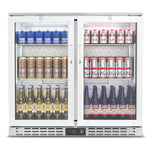
Restaurants may need large-capacity reach-in refrigerators, bars may benefit from back bar coolers, and retail businesses may prefer glass-door merchandisers to display products.
By selecting the right refrigeration equipment, businesses can improve food safety, increase efficiency, and create a smoother daily workflow.
A reliable commercial refrigerator is more than just a storage appliance — it is an essential investment that supports your entire operation.